
The last weeks of pregnancy bring a mixture of excitement, impatience and nervousness. You may wonder how you will know labour has begun, when to leave for hospital and how you will cope. These are the questions I hear most from mothers in the final weeks, and the answer to almost all of them is the same: preparation brings confidence.
This guide explains how to prepare for delivery, how to recognise labour, which signs mean you should come to hospital without delay, and how to look after yourself and your baby in the weeks after birth, which doctors call the postnatal period.
Preparing for delivery in the third trimester
From about 34 to 36 weeks, it helps to settle the practical questions so that nothing needs to be decided in a hurry.
- Choose where you will deliver and visit the hospital in advance. Know the route, how long it takes at different times of day and who will drive you.
- Discuss your birth plan with your doctor: your preferences for pain relief, who you would like with you and what happens if plans change.
- Keep your file ready with your antenatal card, scans, blood group and test reports, and your identity documents.
- Save emergency numbers in your phone and tell your family where they are. Our contact numbers are Call 051-8433953 | WhatsApp 0333-5379982.
- Arrange care at home for your other children and help for the first few weeks after birth.
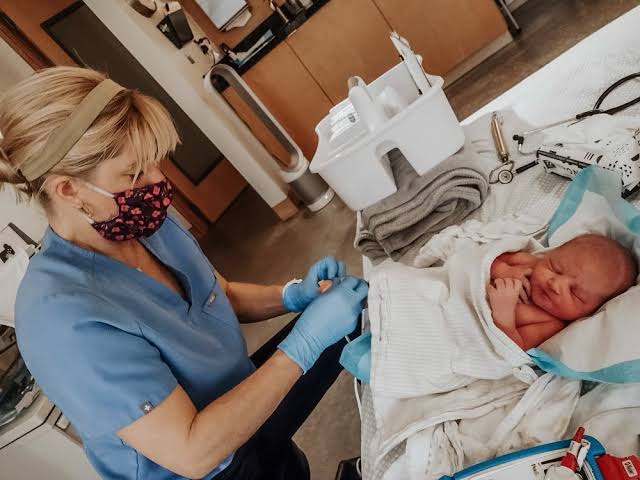
What to pack in your hospital bag
- Antenatal file, reports, ID and any medicines you take
- Comfortable loose clothes, front-opening tops for feeding, nightwear and slippers
- Maternity pads, underwear, toiletries and a towel
- Soft clothes, nappies, wraps and a hat for the baby
- Phone, charger, snacks and a bottle of water
- A car seat or safe way to take the baby home
How will I know labour has started?
Labour is the process by which your womb contracts to open the cervix and move your baby down and out. It does not always begin dramatically. Watch for these signs:
- Regular contractions. Real labour contractions become stronger, longer and closer together over time, and they do not stop when you rest or change position. They often start as a low backache or period-like cramps that tighten the whole abdomen.
- A "show". A small amount of thick, pink or blood-streaked mucus from the vagina can appear days or hours before labour. It is normal.
- Waters breaking. A gush or steady leak of clear fluid. This may happen before contractions begin.
Many women feel "practice" contractions, called Braxton Hicks, in the last weeks. They are irregular, usually painless or mildly uncomfortable, and ease with rest, a warm bath or a drink of water. If you are unsure, call us.
When should I leave for the hospital?
A common guide for a first baby is to come when contractions come about every five minutes, last about a minute each and have continued for an hour. If you have delivered before, labour is often faster, so come earlier. Leave at once, whatever the contraction pattern, if:
- Your waters break, especially if the fluid is green, brown or smells unpleasant
- You have any vaginal bleeding more than a small show
- Your baby is moving less than usual
- You are less than 37 weeks pregnant and have contractions or leaking
- You have a severe, constant abdominal pain, severe headache, blurred vision or a fit
- You live far from the hospital or have had a previous caesarean section or a complicated birth
While you wait at home, drink fluids, eat light snacks, rest between contractions, use slow deep breathing and stay upright and moving, which can help labour progress.
Normal delivery and caesarean section
Most women who have a healthy pregnancy can plan for a normal vaginal birth, and it usually brings a quicker recovery. But the safest way to deliver is the one that is right for you and your baby, and sometimes that means a caesarean section.
A caesarean may be planned in advance or may be needed during labour. Common reasons include a baby lying in an unfavourable position, a placenta covering the cervix, previous caesareans or uterine surgery, the baby's heart rate showing distress, labour that is not progressing, or maternal conditions such as severe high blood pressure. A caesarean is major surgery and needs longer recovery, but it saves lives when it is needed. Please do not feel guilty or judged if you need one; the goal is always a healthy mother and a healthy baby.
Talk with your doctor about pain relief too. Options in labour range from breathing and massage to pain-relieving medicines and epidural analgesia, where available. Understanding your choices in advance means you can make calm decisions on the day.

The first hours and days after birth
After delivery, your baby is dried, kept warm and, if both of you are well, placed on your chest for skin-to-skin contact. Breastfeeding can begin within the first hour. The early, thick, yellowish milk called colostrum is rich in protection for your baby, so try to offer it even if you plan to supplement later.
In hospital, we monitor your blood pressure, bleeding, temperature and wound, help you to move around and make sure you are passing urine and are comfortable. Your baby is examined, weighed and given the vaccines recommended at birth. Do ask questions: no query is too small in these first days.
Caring for yourself: the six weeks after birth
Bleeding
Expect bleeding like a heavy period for the first few days that gradually becomes lighter, pinker and then yellowish-white over four to six weeks. It is called lochia. Use maternity pads, not tampons. A sudden increase in bleeding, large clots or a foul smell must be checked.
Wound and stitch care
- After a vaginal birth with stitches, wash gently with clean water after passing urine or stools, pat dry and change pads frequently. Cool packs and prescribed pain relief ease soreness.
- After a caesarean, keep the wound clean and dry, support it with a pillow when coughing or standing, avoid lifting anything heavier than your baby for the first weeks and follow your doctor's instructions about dressings.
- Eat fibre-rich food, drink water and use a stool softener if advised to avoid straining.
Food, rest and movement
Your body has done something remarkable and needs fuel. Eat regular, balanced meals with protein, vegetables, fruit and whole grains and drink plenty of fluids, especially if you are breastfeeding. Continue iron and calcium if prescribed. Sleep when your baby sleeps and accept help with household work. Begin short, gentle walks early to improve circulation and reduce the risk of blood clots, and add pelvic floor exercises (squeezing as though you are stopping the flow of urine) a few times a day.
Feeding your baby
Exclusive breastfeeding is recommended for the first six months. It may take a few days to find a comfortable position and a good latch; sore nipples and engorgement are common but usually improve with the right technique. Feed on demand, usually eight to twelve times in twenty-four hours. If you have difficulty, ask your doctor, midwife or a lactation counsellor for help early rather than giving up.
Looking after your newborn
- Keep the umbilical cord stump clean and dry and let it fall off on its own. Avoid applying powders or home remedies.
- Always lay your baby on the back to sleep, on a firm surface, without pillows or loose blankets.
- Wash your hands before handling the baby and limit visitors in the early weeks.
- Yellow colour of the skin (jaundice) is common in the first week. Ask your doctor to check it, and seek help quickly if the yellow is deepening or the baby is sleepy and not feeding.
- Follow the national immunisation schedule and keep the baby's vaccination card safe.
- Take your baby to a doctor straight away for fever, poor feeding, fast or difficult breathing, repeated vomiting, fits or a baby who is unusually floppy or hard to wake.
Postnatal warning signs: call your doctor or come to hospital
- Heavy bleeding, soaking a pad in an hour, or passing large clots
- Fever of 38 °C (100.4 °F) or higher, or shivering
- Foul-smelling vaginal discharge
- Wound that is red, swollen, leaking pus or opening up
- Severe headache, blurred vision or seizures
- Pain, redness or swelling in one leg, or chest pain and breathlessness
- Painful, hot, red area in the breast with fever
- Thoughts of harming yourself or your baby, or feeling unable to cope
Your emotions after birth
Up to eight in ten new mothers experience the "baby blues": tearfulness, mood swings and anxiety in the first two weeks, caused by hormone changes, tiredness and the huge adjustment of becoming a mother. It usually passes by itself with rest and support. If low mood, hopelessness, anxiety or difficulty bonding last longer than two weeks, or if they are severe, you may have postnatal depression, which is common and treatable. Please tell your doctor, a family member or someone you trust. Asking for help is a sign of strength, and you deserve care as much as your baby does.
Family planning and your six-week check
You can become pregnant again surprisingly early after delivery, even while breastfeeding and before your periods return. Waiting at least eighteen to twenty-four months between births is healthier for both mother and baby, and it helps your body recover. There are safe contraceptive options that suit breastfeeding mothers, and I like to discuss them before you leave the hospital or at your first check.
Please attend a postnatal check-up at around six weeks after birth, or earlier if you had a caesarean or any complication. We will check your blood pressure, wound, bleeding, breasts, pelvic floor, mood and your baby's progress, and answer any questions about returning to exercise, intimacy and future pregnancies.
We are with you at every step
A safe delivery and a good recovery depend on early planning, regular antenatal visits and knowing when to ask for help. If you have not yet read it, our antenatal care guide covers the months leading up to birth. Women with irregular cycles who are planning a pregnancy may also find our article on periods and PCOS useful.
To book a consultation with me at Amanah Islamabad Hospital, visit my profile page, call Call 051-8433953 | WhatsApp 0333-5379982. For an emergency, please call straight away.

Dr. Nadia Abdullah
Consultant Gynaecologist with 16 years of clinical experience in obstetrics and women's health. She sees patients at Amanah Islamabad Hospital on Mon 2–5 PM · Fri 3–6 PM.
More from Amanah Hospital

Antenatal Care Guide: Staying Healthy and Safe Through Pregnancy
Visits, tests, nutrition, medicines to avoid and the warning signs every expecting mother should know, trimester by trimester.

Irregular, Painful or Heavy Periods: Causes, Precautions and When to See a Gynaecologist
What a normal cycle looks like, why periods go off track, how PCOS fits in, and the self-care steps that actually help.