
Almost every woman has a "bad" period now and then. But when periods become irregular, very heavy, very painful or stop altogether, your body is trying to tell you something. In my clinic, I meet many women who have put up with these problems for years because they believed it was normal or were too shy to ask. Most menstrual problems have a clear cause, and nearly all of them can be treated.
This article explains what a healthy cycle looks like, the most common reasons it goes off track, how to look after yourself and when it is time to see a gynaecologist.
What is a normal menstrual cycle?
The menstrual cycle is counted from the first day of one period to the first day of the next. Every woman is different, but a typical healthy pattern looks like this:
- Cycle length: between 21 and 35 days. In the first year or two after periods begin, teenagers may take longer to settle.
- Bleeding length: two to seven days.
- Flow: heaviest in the first two or three days, then lighter. Soaking a pad every four to six hours at the peak is typical.
- Pain: mild to moderate cramps in the lower abdomen that respond to simple measures.
Cycles do not need to run like clockwork. A few days' difference from month to month is normal. What matters is a significant or lasting change from your own usual pattern.

Signs that your periods are not normal
Please book an appointment if you notice any of the following:
- Periods that come more often than every 21 days or less often than every 35 days
- Missing three or more periods in a row when you are not pregnant
- Bleeding that soaks through a pad or tampon every hour for several hours, or needs double protection
- Passing clots larger than a coin, or bleeding for more than seven days
- Bleeding between periods, after intercourse or after menopause
- Pain so severe that it stops you from going to school, work or daily activities
- Feeling very tired, breathless, dizzy or looking pale, which can mean anaemia from blood loss
Common causes of period problems
Polycystic ovarian syndrome (PCOS)
PCOS is one of the most common hormonal conditions in women of reproductive age, and one of the most common reasons I see young women in clinic. In PCOS, the ovaries do not release an egg regularly, so periods become infrequent or unpredictable. Many women also notice acne, extra hair on the face and body, thinning scalp hair, weight gain and difficulty conceiving. On ultrasound the ovaries may appear to have many small follicles, but diagnosis depends on your symptoms and blood tests, not the scan alone.
Thyroid problems
Both an underactive and an overactive thyroid can change your cycle. A simple blood test checks this.
Fibroids and polyps
Fibroids are non-cancerous growths in the muscle of the womb. They are common and often cause heavy, long periods and pressure symptoms. Polyps in the lining can cause bleeding between periods.
Endometriosis and adenomyosis
These conditions cause deep, painful periods that worsen with time, pain during intercourse and sometimes difficulty in conceiving. Many women wait years for a diagnosis, so please do not accept severe pain as your lot.
Stress, weight and lifestyle
Sudden weight loss or gain, extreme exercise, poor nutrition, travel and emotional stress can all delay or stop periods.
Infections and contraception
Pelvic infections can cause irregular bleeding and pain. Hormonal contraceptives and intrauterine devices can also change your pattern, especially in the first months.
Pregnancy and perimenopause
A missed period in a woman who is sexually active may be pregnancy, so a test is the first step. In women in their forties, changing periods are often the first sign of perimenopause.
Living with PCOS: what actually helps
There is no single "cure" for PCOS, but there is a great deal that can be done, and women who take action early usually do very well.
- Healthy weight. If you are overweight, losing even five to ten per cent of your body weight can bring back regular periods and improve fertility. Please avoid crash diets, which make hormones worse.
- Move daily. Aim for about 150 minutes of moderate activity each week, such as brisk walking, cycling or swimming.
- Balanced food. Choose whole grains, daal, vegetables, salad, nuts and lean protein. Cut down sweet drinks, white bread, bakery items and fried snacks, which push up insulin.
- Sleep and stress. Seven to eight hours of sleep and regular relaxation help hormone balance.
- Medical treatment. Depending on your goals, your doctor may suggest medicines to regulate periods, reduce acne or unwanted hair, lower insulin resistance or help you ovulate if you want to conceive.
- Long-term check-ups. PCOS can raise the risk of diabetes, high cholesterol, high blood pressure and thickening of the womb lining if periods are very infrequent, so regular reviews matter.
Easing period pain and heavy bleeding at home
These steps are safe for most women and can make periods more comfortable:
- Apply a warm water bottle or heating pad to the lower abdomen.
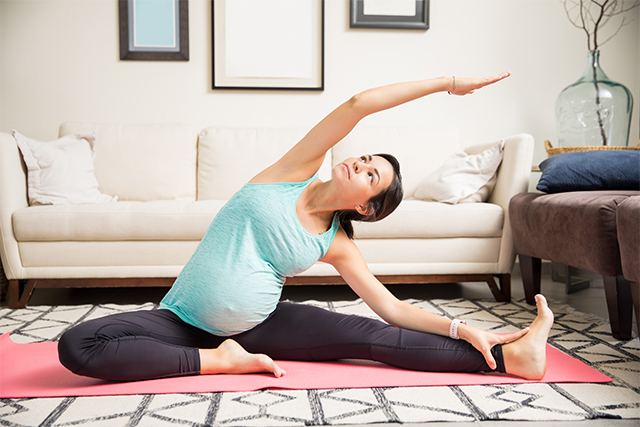
- Take a warm bath, rest and try gentle stretches or walking, which release natural pain-relieving chemicals.
- Drink warm fluids and avoid too much caffeine, which can worsen cramps for some.
- Over-the-counter pain relief can help, but use it as directed on the label. Do not use anti-inflammatory tablets if you have a stomach ulcer, kidney disease, asthma triggered by them or are pregnant, and ask your doctor or pharmacist if unsure.
- Keep a note of the days you bleed, how heavy it is and how bad the pain is. This simple diary is surprisingly helpful in the clinic.
If heavy periods continue, please have your haemoglobin checked. Iron deficiency anaemia is common and causes tiredness, hair fall, headaches and poor concentration. Eat iron-rich foods such as meat, liver, spinach, lentils and dates, and take iron tablets only as prescribed.
Period hygiene and infection precautions
- Change pads every four to six hours, even if the flow is light. Do not leave a tampon in for more than eight hours.
- Wash with clean water and mild unscented soap on the outside only. Do not douche or use strong antiseptic washes inside the vagina, as they disturb the natural protective bacteria.
- Wear breathable cotton underwear and change out of wet clothes quickly.
- Wash reusable cloth pads thoroughly and dry them in direct sunlight.
- See your doctor if you notice itching, a strong smell, green or yellow discharge, pain while passing urine or pain during intercourse. White, odourless discharge that changes through the cycle is normal.
Screening and long-term women's health
Good gynaecological care is not only for problems. Ask your gynaecologist about cervical screening (Pap smear or HPV testing), which can detect changes in the cervix long before they become cancer, and about the HPV vaccine for girls and young women. Be familiar with how your breasts normally look and feel and report any lump, discharge or change in skin. Keep your vaccinations current.
If you have been trying to conceive for a year without success, or six months if you are over 35, see a gynaecologist for assessment. Do not wait longer. Irregular periods, PCOS, thyroid problems and blocked tubes are all common, treatable reasons.
Teenagers, mothers and midlife women
Teenagers often have irregular cycles in the first couple of years, but severe pain, very heavy bleeding or no periods by age 15 deserve a check. Mothers, please encourage open talk about periods at home: a girl who is informed is a girl who seeks help early. In the forties and fifties, changes in flow and timing may signal perimenopause, but heavy bleeding or bleeding after menopause should always be examined and never put down to age. Our team also manages menopausal symptoms, which you can read about on our department page.
What to expect at your first visit
Your first appointment is a conversation. I will ask about your cycle, symptoms, general health and family history, and examine you only as needed and with your consent. Depending on your story, I may arrange blood tests (such as haemoglobin, thyroid and hormone levels), a pelvic ultrasound or both. Please bring any earlier reports and a note of your last few period dates. Everything you share is kept private.
Seek urgent care if
You are bleeding heavily enough to soak through protection every hour, you feel faint or have a racing heart, you have severe pelvic pain with fever, or you could be pregnant and have bleeding with one-sided pain.
Take the first step
Periods that cause you worry, pain or inconvenience deserve attention, not silence. To see me at Amanah Islamabad Hospital, call Call 051-8433953 | WhatsApp 0333-5379982 or use the appointment form below. You may also like our guide to antenatal care if you are planning a family, or read more about Dr. Nadia Abdullah.
Dr. Nadia Abdullah
Consultant Gynaecologist with 16 years of clinical experience in obstetrics and women's health. She sees patients at Amanah Islamabad Hospital on Mon 2–5 PM · Fri 3–6 PM.
More from Amanah Hospital
Antenatal Care Guide: Staying Healthy and Safe Through Pregnancy
Visits, tests, nutrition, medicines to avoid and the warning signs every expecting mother should know, trimester by trimester.

Preparing for Delivery and Recovering Well: Labour Signs, Danger Signs and Postnatal Care
When to come to hospital, how to prepare, and how to look after yourself and your baby in the weeks after birth.